

Selling a Home in Southeast Aurora: Pricing, Timing, and Marketing
Strategic, data-driven representation for buyers and sellers across Aurora’s most desirable communities.
Quick Navigation
- Market Context
- Pricing Strategy in Southeast Aurora
- Timing the Market
- Preparing Your Home for Sale
- Marketing Strategy for 80016 Homes
- Seller Costs & Risk Management
This guide is designed for homeowners considering a sale in Southeast Aurora, with ZIP code 80016 as the anchor market. Rather than relying on generic advice, the goal here is to explain how pricing, timing, preparation, and marketing strategy intersect in the neighborhoods that most directly shape buyer demand in this corridor.
For quarterly metrics and current market context, reference the 80016 Market Statistics report. If you’re evaluating a sale and want real-time insight specific to your subdivision and price range, a tailored analysis will always be more accurate than broad averages.
Market Context: Southeast Aurora with 80016 as the Anchor
Within Southeast Aurora, ZIP code 80016 functions as the pricing and demand anchor for the broader corridor. From established neighborhoods like Saddle Rock and Tallyn’s Reach to amenity-driven communities such as Southshore and Blackstone, 80016 reflects the clearest signals of buyer behavior, pricing sensitivity, and inventory shifts in this part of the metro area.
Homes in this segment are typically purchased by move-up buyers, relocation households, and increasingly by luxury-oriented buyers seeking newer construction, larger lots, and access to the Cherry Creek School District. That buyer profile matters. It influences how homes are priced, how quickly they sell, and how negotiations unfold.
Southeast Aurora does not behave like a uniform market. Conditions in one subdivision can differ meaningfully from another — even within the same price bracket. Inventory levels, builder competition, lot premiums, HOA amenities, and finished square footage all influence outcomes. Understanding those micro-dynamics is more valuable than relying on generalized metro statistics.
For a detailed breakdown of current pricing, days on market, and overall supply trends, you can review the most recent 80016 Market Statistics. That report is updated quarterly and provides the data foundation behind the strategy discussed here.
It’s also important to recognize that negotiation trends — including seller concessions — are rarely uniform across Southeast Aurora. In certain price bands and subdivisions, sellers may contribute toward rate buydowns or closing costs. In others, particularly where inventory is tighter or demand is concentrated, concessions may be minimal. These dynamics shift throughout the year and are highly dependent on property type and price range.
The sections below outline how pricing, timing, preparation, and marketing strategy intersect in this market. Each area plays a role in positioning a property correctly — especially in a corridor where buyers are comparing resale homes against new construction and evaluating options across multiple nearby neighborhoods.
Pricing Strategy in Southeast Aurora
Absorption Rate & Inventory Dynamics
In Southeast Aurora — and particularly within 80016 — pricing begins with absorption rate, not guesswork. Absorption rate measures how quickly the current inventory would sell at the present pace of demand. It provides a clearer picture of leverage than headlines about median price alone. (Absorption rate typically means: lower absorption rate equals longer days on market; higher absorption rate equals less days on market.)
When inventory is tight and absorption is strong, sellers may have more negotiating strength. When inventory expands and buyer activity slows, pricing discipline becomes more important. In subdivisions where multiple similar homes are listed simultaneously, even small pricing miscalculations can extend days on market.
Because 80016 includes a mix of established resale neighborhoods and newer builder-driven communities, absorption can vary meaningfully by subdivision and price band. A home priced correctly within its competitive set can attract immediate attention. One positioned even slightly outside the active demand range may experience limited early activity.
Above-Grade vs. Basement Value
Not all square footage is valued equally. In 80016, above-grade finished space typically carries more weight in buyer decision-making than basement square footage. Finished basements add value, but rarely at the same price-per-square-foot multiple as primary living areas.
Understanding how buyers are currently valuing finished basements, walk-out configurations, and lot orientation is critical when determining list price. Overestimating basement contribution is one of the more common pricing errors in this corridor.
Appraisal Sensitivity in Move-Up Markets
Much of the buyer activity in Southeast Aurora comes from move-up households financing their purchase. That introduces appraisal sensitivity into pricing strategy. Even in strong demand environments, pricing must be defensible through recent comparable sales.
A pricing strategy that relies solely on aspirational comparables — rather than closed data within the same competitive set — increases the likelihood of appraisal renegotiation. A disciplined approach accounts for both buyer psychology and lender scrutiny.
The Overpricing Risk Curve
The first two weeks on market often generate the highest visibility. If pricing overshoots the active demand range, initial momentum can stall. Once days on market extend beyond neighborhood norms, buyers may begin to question value — even if later price adjustments occur.
In Southeast Aurora, especially in subdivisions with new construction alternatives, buyers compare aggressively. Builder incentives, rate buydowns, and design upgrades can subtly shift perceived value. Pricing must account for those competitive pressures from the start.
Frequently Asked Questions About Pricing
How do I determine my home’s value in 80016?
A precise valuation begins with identifying your home’s true competitive set — properties of similar size, finish level, lot orientation, and location within the same or comparable subdivision. Closed sales establish the foundation, while current active and pending listings indicate present demand pressure. A disciplined analysis weighs absorption rate, concession trends, and buyer behavior within your specific price range rather than relying solely on broad median figures.
What happens if I overprice my home?
Overpricing can reduce early activity, extend days on market, and ultimately weaken negotiating position. Buyers in Southeast Aurora tend to be well-informed and comparison-driven. When a property sits beyond the typical exposure window for its neighborhood, later price reductions may not fully restore initial momentum. Strategic pricing at launch often produces stronger leverage than reactive reductions weeks later.
How do appraisals affect my sale in Southeast Aurora?
In move-up segments common to 80016, appraisal outcomes matter. Even in competitive markets, lenders require support from recent closed sales. Pricing that stretches beyond defensible comparables increases the likelihood of appraisal renegotiation or concession adjustments. A structured pricing plan anticipates this and reduces downstream friction.
What price range is most active in 80016 right now?
Activity levels vary by quarter and by subdivision. Certain price bands may show faster absorption and stronger buyer urgency, while higher or transitional tiers may move at a more deliberate pace. For a current breakdown of activity by price segment and neighborhood, reviewing the latest 80016 Market Statistics provides context, but a property-specific analysis offers greater clarity.
Timing the Southeast Aurora Market
Seasonality in 80016 and the Southeast Aurora Corridor
Seasonality still plays a meaningful role in Southeast Aurora, particularly in 80016 where many households are family-driven and aligned with academic calendars. The spring market — typically March through early June — often sees increased listing activity and heightened buyer movement as families aim to transition before the next school year.
That does not automatically mean spring is always the best time to list. While buyer volume may increase, so does seller competition. Inventory expansion can dilute attention within certain subdivisions, especially when multiple comparable homes enter the market simultaneously.
Late summer and early fall often present a different dynamic. Inventory may contract after the initial spring surge, and serious buyers remain active. In some neighborhoods, well-positioned homes listed outside peak inventory windows face less direct competition and can benefit from focused buyer attention.
Interest Rate Sensitivity & Buyer Urgency
Beyond seasonal patterns, interest rate movements influence urgency in Southeast Aurora. In rate-sensitive environments, buyers may accelerate decisions when they anticipate upward movement, or pause briefly when volatility creates uncertainty. Move-up buyers — common in 80016 — are often coordinating both a sale and purchase, which further amplifies timing considerations.
When rates stabilize or dip modestly, buyer confidence can strengthen quickly. Even small shifts can expand purchasing power and increase activity in specific price bands. Understanding how these shifts intersect with inventory levels is critical when determining launch timing.
Inventory Cycles & Concession Trends
Inventory expansion or contraction plays a central role in timing strategy. In periods where new listings outpace buyer demand, concessions may become more common — often structured around rate buydowns or closing cost assistance. In tighter inventory windows, negotiation leverage may shift back toward sellers.
These patterns vary by subdivision and price tier. For that reason, timing decisions are rarely based on the calendar alone. They are informed by current absorption rates, neighborhood-level competition, and buyer behavior within your specific segment.
Frequently Asked Questions About Timing
Is now a good time to sell in Southeast Aurora?
The answer depends less on the month and more on current inventory, absorption rate, and buyer demand within your price range. While spring often sees increased activity, listing during a lower-inventory window can sometimes produce stronger positioning. A real-time evaluation of comparable listings and pending activity provides clearer guidance than relying on season alone.
Should I wait until spring to list my home?
Waiting for spring can increase exposure but also increases competition. If multiple similar homes are expected to list in your subdivision, pricing and presentation must account for that density. In some cases, listing slightly ahead of peak inventory provides a strategic advantage.
Are buyers still requesting concessions in 80016?
Concessions in 80016 are highly deal-specific and vary by price band and neighborhood. In some segments, structured concessions such as rate buydowns remain part of negotiation. In others, especially where inventory is constrained, concessions may be limited. Because these dynamics shift quickly, reviewing current negotiation patterns in your subdivision is more useful than relying on generalized averages.
How long are homes taking to sell in this market?
Days on market fluctuate by subdivision and price tier. Well-priced homes aligned with current demand often generate early activity, while properties positioned outside active buyer ranges may extend beyond neighborhood norms. Reviewing the most recent 80016 Market Statistics provides quarterly context, but a property-specific absorption analysis offers greater clarity.
Preparing Your Home for Sale
Competitive Positioning Within Your Subdivision
In Southeast Aurora — particularly within 80016 — preparation is less about cosmetic updates in isolation and more about competitive positioning. Buyers in this corridor are comparison-driven. They are evaluating your home against similar properties within the same subdivision, nearby neighborhoods, and often against new construction alternatives.
That means preparation decisions should begin with a simple question: “What are buyers comparing this home to right now?” If comparable homes offer updated kitchens, finished basements, or professionally staged presentation, your positioning must account for that competitive set.
Preparation is not about making a home perfect. It is about aligning perceived value with the active market. Strategic improvements — combined with thoughtful presentation — often create stronger leverage than broad renovation efforts without market alignment.
Competing with New Construction
New construction continues to influence buyer expectations in parts of Southeast Aurora. Builders may offer rate buydowns, design center upgrades, or closing cost incentives that shift perceived value. Resale homes must compete on presentation, pricing discipline, and narrative positioning.
That does not mean replicating builder finishes at high cost. It means highlighting what resale homes often provide that new builds may not — established landscaping, mature lots, finished basements, upgraded window coverings, and completed outdoor living spaces. Positioning these advantages clearly is often more effective than attempting large-scale renovations.
ROI Discipline & Avoiding Over-Improvement
Over-improvement is a common risk in 80016, particularly in neighborhoods with defined price ceilings. Extensive renovations that push a property beyond its competitive set can narrow the buyer pool rather than expand it.
Finished basements, updated kitchens, and refreshed flooring can add value — but rarely at a one-to-one return relative to cost. Improvements should be evaluated in light of current comparable sales, not aspirational pricing targets. Strategic restraint often produces stronger net results than aggressive renovation.
Structural & Functional Considerations
Functional elements such as roof condition, HVAC performance, and exterior maintenance influence buyer confidence. In move-up segments, buyers often factor future maintenance into their negotiation posture. Addressing visible concerns before listing can reduce friction during inspection and appraisal phases.
At the same time, not every repair warrants pre-listing investment. Evaluating which improvements materially affect buyer perception — versus those unlikely to shift negotiation dynamics — is part of a disciplined preparation strategy.
Frequently Asked Questions About Preparation
What upgrades add the most value before selling in 80016?
Cosmetic improvements that align with current buyer expectations within your subdivision often provide the strongest impact. Updated kitchens, refreshed flooring, neutral interior finishes, and improved lighting can influence first impressions. However, upgrades should be weighed against recent comparable sales to avoid exceeding neighborhood pricing norms.
Do finished basements increase resale value in Southeast Aurora?
Finished basements typically enhance buyer appeal, especially in family-oriented neighborhoods, but they rarely command the same price-per-square-foot valuation as above-grade living space. Their contribution to value depends on quality of finish, functionality, and alignment with recent closed sales in your competitive set.
Should I replace my roof before listing?
If roof condition is likely to become a negotiation issue during inspection, addressing it proactively can reduce downstream concessions. However, if the roof remains functional and within expected lifespan, replacement may not produce a direct pricing premium. The decision should be evaluated in context of buyer expectations and comparable property condition.
How do I compete with new construction in Southeast Aurora?
Competing with builders requires clear positioning. Highlighting completed landscaping, finished basements, established neighborhoods, and thoughtful upgrades can differentiate resale homes. Pricing discipline and presentation strategy also matter, particularly when builders are offering structured incentives. The goal is to position your home’s strengths clearly rather than replicate builder features at excessive cost.
Marketing Strategy for Southeast Aurora Homes
Presentation Standards in a Competitive Corridor
In Southeast Aurora — particularly within 80016 — presentation is not optional. Buyers in this segment are comparison-driven and increasingly accustomed to high production standards. Professional photography, accurate color representation, clean composition, and thoughtful staging are baseline expectations rather than premium add-ons.
In higher price brackets, especially within neighborhoods such as Blackstone and Southshore, presentation standards influence perceived value before a buyer ever steps through the door. Visual quality affects online engagement, showing activity, and the tone of early negotiations. A well-positioned home communicates preparedness and confidence.
Effective marketing begins with clarity of positioning. That includes photography that highlights scale and natural light, video or walkthrough content where appropriate, and marketing materials that reflect the home’s true quality without exaggeration. The objective is to create alignment between online presentation and in-person experience.
Exposure Is Not the Same as Targeting
While MLS distribution and IDX (Internet Data Exchange… think Zillow, Realtor, Redfin, etc.) exposure are foundational, they are not sufficient on their own. In 80016, buyer profiles vary — from move-up households within the metro area to relocation buyers evaluating Southeast Aurora alongside other suburban corridors.
Effective marketing involves understanding which segment is most likely to value your home and tailoring messaging accordingly. A golf course property in Blackstone may resonate differently than a finished basement family home in Tallyn’s Reach or a lake-adjacent property in Southshore. Identifying that audience influences how the property is presented and promoted.
Buyer Segmentation & Strategic Reach
Move-up buyers in 80016 often evaluate resale homes alongside new construction options. Relocation buyers may prioritize school district, commute access, and community amenities. Luxury-tier buyers may respond more to lot positioning, architectural detail, and privacy.
Targeted digital promotion, brokerage network reach, and strategic syndication can help ensure the property is seen by the most relevant audience — not just the broadest one. In certain price tiers, exposure to out-of-state buyers or internal brokerage networks can meaningfully expand demand.
Competing with Builder Marketing Budgets
Builders frequently leverage rate buydowns, design incentives, and polished model-home presentation. Resale homes compete differently. Established landscaping, finished outdoor living areas, window coverings, and completed improvements often provide advantages that new construction does not immediately offer.
Positioning those advantages clearly — supported by professional media and disciplined pricing — allows resale homes to compete effectively without mirroring builder incentive structures.
Frequently Asked Questions About Marketing
How do you market a luxury home in Southeast Aurora?
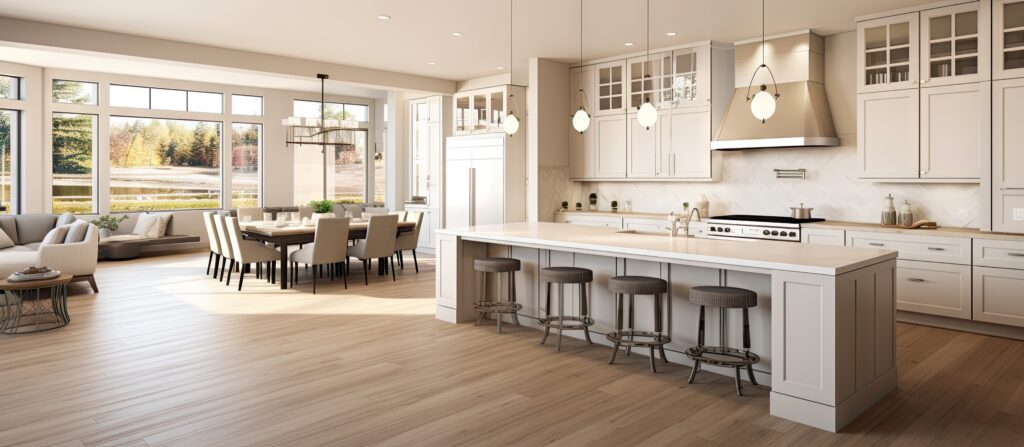
Luxury marketing in 80016 emphasizes high-quality visual presentation, accurate positioning within the local competitive set, and strategic exposure beyond standard MLS distribution. Professional media, brokerage network reach, and selective digital targeting help ensure the property is presented to buyers most aligned with its price tier and features.
Where are 80016 homes advertised?
Homes are distributed through MLS and major real estate platforms, but effective marketing also considers brokerage networks, targeted digital campaigns, and, when appropriate, relocation-focused channels. The goal is to combine broad visibility with strategic targeting.
Does professional staging and photography really matter?
Yes. In a comparison-driven market like Southeast Aurora, visual presentation influences buyer perception and showing activity. Clean, professionally captured imagery improves online engagement and can shape early negotiation tone. Staging is evaluated on a case-by-case basis depending on property type and competitive positioning.
How do you attract out-of-state buyers?
Out-of-state buyers often rely heavily on digital presentation and trusted brokerage networks. High-quality media, accurate representation of neighborhood amenities, and strategic exposure through broader brokerage channels increase visibility to relocation households considering Southeast Aurora.
How do you compete with builder marketing budgets?
Resale homes compete by emphasizing established features, completed improvements, and accurate pricing discipline. Rather than mirroring builder incentives, positioning focuses on tangible advantages and alignment with current market demand.
Seller Costs & Risk Management
Understanding Seller Costs in Colorado
Selling a home in Southeast Aurora involves more than determining an appropriate list price. A clear understanding of closing costs and transaction expenses allows sellers to evaluate net proceeds with accuracy before entering the market.
In Colorado, seller costs typically include real estate brokerage commission, title-related fees, prorated property taxes, HOA transfer costs (where applicable), and any negotiated concessions. In subdivisions within 80016 that include active homeowners’ associations, transfer documentation and compliance fees should be factored into net calculations.
While many costs follow standard structures, the ultimate net outcome is influenced by pricing discipline, negotiation strength, and timing. Evaluating estimated proceeds prior to listing allows for informed decisions regarding move-up purchases or contingent coordination.
Commission Structure & Value Alignment
Real estate commissions in Colorado are not fixed by law and are negotiated between seller and brokerage. The structure should reflect the level of service, market exposure, and strategic guidance provided.
In competitive corridors such as Southeast Aurora, disciplined pricing analysis, negotiation strategy, professional presentation standards, and targeted marketing all contribute to transaction outcomes. Commission conversations are best evaluated in the context of net results rather than percentage alone.
Risk Management Throughout the Transaction
Beyond financial considerations, managing transactional risk is critical. Inspection negotiations, appraisal outcomes, buyer financing contingencies, and contract timelines can materially affect both closing certainty and final proceeds.
Homes that are thoughtfully prepared and priced with absorption and appraisal sensitivity in mind tend to experience fewer mid-contract renegotiations. However, even well-positioned properties can encounter inspection objections or financing adjustments. Anticipating those possibilities — rather than reacting to them — is part of disciplined transaction management.
Coordinating a Sale and Purchase
Many sellers in 80016 are also purchasing another home within Southeast Aurora or elsewhere in the metro area. Coordinating timelines, contingency structures, and possession arrangements requires forward planning. Evaluating realistic days on market and absorption trends before committing to a purchase reduces stress and protects negotiating leverage on both sides of the transaction.
Frequently Asked Questions About Costs & Risk
What are typical seller closing costs in Colorado?
Seller closing costs generally include brokerage commission, title-related fees, prorated property taxes, HOA transfer fees when applicable, and any negotiated concessions. The total net impact depends on property price, subdivision requirements, and negotiated contract terms.
Are real estate commissions negotiable?
Yes. Commissions in Colorado are negotiated between the seller and brokerage. The appropriate structure is best evaluated relative to service scope, marketing strategy, pricing discipline, and negotiation management rather than viewed in isolation.
What happens if my home doesn’t sell?
If a property does not generate expected activity, the first step is reviewing pricing alignment relative to absorption and competitive listings. Presentation, marketing exposure, and market timing may also be evaluated. Strategic adjustments early often preserve leverage more effectively than reactive decisions after extended market time.
Can I buy and sell at the same time?
Yes, but coordination requires careful planning. Contingency structures, realistic market expectations, and accurate pricing strategy all influence how smoothly dual transactions proceed. Reviewing current absorption trends and neighborhood-level demand prior to making purchase commitments reduces risk.
Next Steps
If you’re considering selling in Southeast Aurora — especially within 80016 — the most useful guidance is neighborhood-specific. Pricing leverage, buyer demand, and negotiation patterns can vary meaningfully from one subdivision to the next, and concessions are often structured differently deal to deal.
If you’d like a current, data-driven snapshot of what buyers are responding to right now in your neighborhood (including how pricing, timing, and concessions are showing up in active negotiations), reach out and I’ll put together a focused review based on the most relevant comparable activity.